
High-Protein Meals That Make Fat Loss Easier | The Training Ground
Updated: Sep 25
Healthy Eating Doesn't Have to Be Complicated

Most people know they should eat healthier.
The challenge isn't knowing what to do. It's knowing how to make it work in everyday life.
Between work, family, sport and everything else life throws at us, it's easy to fall into the habit of grabbing takeaway, relying on convenience foods or cooking the same calorie-dense meals week after week. Before long, weight starts creeping up, energy begins to fall, and health markers like blood sugar and cholesterol start heading in the wrong direction.
The good news is that eating well doesn't require expensive ingredients, complicated recipes or giving up the foods you enjoy.
At The Training Ground, we believe successful nutrition is built on three simple principles:
Eat plenty of quality protein.
Fill your plate with vegetables.
Choose appropriate portions of wholefood carbohydrates.
That's exactly what this guide is designed to help you do.
Whether your goal is to lose body fat, improve your health, or prepare healthier meals for your family, these recipes have one thing in common:
They're built around real food that is satisfying, practical and easy to cook.
Our aim isn't to help you follow another diet.
Our aim is to help you build eating habits you'll still enjoy years from now.
Let's start with the foundation of every healthy meal:
The TTG Plate Method
The TTG Plate Method is designed to answer one simple question:
What should my plate look like?
Nutrition often becomes confusing because we focus on individual foods instead of the meal as a whole. One person tells you to avoid carbohydrates, another tells you to eat more healthy fats, while someone else recommends cutting out entire food groups.
The truth is, most healthy meals share a very similar structure.
Rather than obsessing over calories or trying to make every meal perfect, start by building your plate around three key components.
40% Protein
Protein forms the foundation of every meal.
It helps preserve muscle while you're losing body fat, keeps you feeling fuller for longer, and supports recovery, strength and overall health.
Aim to include a quality source of protein with every main meal.
Examples include:
Chicken
Lean beef
Fish
Eggs
Greek yoghurt
Cottage cheese
Tofu
Lean pork
Kangaroo
If you're unsure how much protein to eat, a good starting point is a serve roughly the size of two palms.
40% Vegetables
Vegetables provide volume without adding large amounts of calories.
They're rich in fibre, vitamins and minerals, helping you stay fuller for longer while supporting digestive health, blood sugar control and overall wellbeing.
The goal isn't to eat one or two pieces of broccoli.
The goal is to make vegetables a significant part of every lunch and dinner.
Choose a variety of colours throughout the week:
Leafy greens
Broccoli
Carrots
Capsicum
Tomatoes
Mushrooms
Beans
Zucchini
Cauliflower
Pumpkin
Frozen vegetables are just as nutritious as fresh and are often more affordable and convenient.
20% Smart Carbohydrates
Carbohydrates aren't the enemy.
They're your body's preferred source of energy and play an important role in supporting physical activity, recovery and everyday performance.
The key isn't eliminating carbohydrates; it's choosing nutritious sources and appropriate portions.
Examples include:
Potatoes
Sweet potato
Rice
Oats
Wholegrain pasta
Wholegrain bread
Wholegrain wraps
Beans
Lentils
Fruit
If you're particularly active, your carbohydrate needs are higher. If you're trying to lose body fat and are less active, slightly smaller portions are often appropriate.

The Secret Isn't Perfection
The TTG Plate Method isn't about weighing every gram of food or following rigid rules.
It's about creating meals that naturally help you eat enough protein, increase your vegetable intake and manage your calorie intake without feeling deprived.
If most of your meals follow this simple structure, you'll already be doing more than most people, and you'll be building eating habits that are far easier to maintain than any short-term diet.
Now that you know what a healthy plate looks like, let's look at how to stock your kitchen so healthy meals become the easiest meals to make.
How to Get the Most from This Guide
There isn't one perfect meal plan.
The best nutrition plan is the one you can follow consistently.
That's why we haven't created a strict seven-day meal plan or asked you to eat the same meals every week.
Instead, use these recipes to build meals that suit your lifestyle, your schedule and your family.
Here are a few simple tips to get started.
Start Small
You don't need to cook every recipe in this guide.
Choose:
2-3 breakfasts
2-3 lunches
5-7 dinners
Master those first.
Once they become part of your routine, come back and try something new.
Cook Once, Eat Twice
Many recipes are perfect for leftovers.
Cooking an extra portion today often means tomorrow's lunch is already prepared, saving both time and the temptation to grab takeaway.
Don't Cook Separate Meals
Healthy eating shouldn't mean making one meal for yourself and another for everyone else.
The recipes in this guide are designed to be enjoyed by the whole family. If someone needs more food, simply increase their portion of protein or carbohydrates rather than cooking an entirely different meal.
Progress Beats Perfection
If one meal doesn't go to plan, don't wait until Monday to start again.
Every meal is simply another opportunity to make a better choice.
The people who achieve lasting results aren't perfect; they're consistent.
Before You Start Cooking
One of the biggest barriers to healthy eating isn't motivation.
It's the belief that healthy meals need to be complicated.
They don't.
Most of the recipes in this guide use everyday ingredients that you can find at your local supermarket. They don't require advanced cooking skills, expensive equipment or hours spent in the kitchen.
I am sure your cooking abilities are better than Josh's, and he makes and loves these meals.
If you can grill chicken, cook mince, chop vegetables and use an oven, you can prepare almost every meal in this guide.
Coach Tips:
Cook Extra
Whenever you prepare dinner, consider making enough for tomorrow's lunch.
Not only does this save time, but having a healthy meal already prepared makes it far less tempting to order takeaway or grab convenience foods when you're busy.
Frozen Is Perfectly Fine
Fresh vegetables are great, but frozen vegetables are just as nutritious and often more affordable.
Keeping frozen broccoli, mixed vegetables, beans and spinach in your freezer means you'll always have healthy ingredients ready to go.
Don't Fear Convenience
Healthy eating doesn't mean everything has to be made from scratch.
Some of our favourite convenience foods include:
Pre-washed salad mixes
Frozen vegetables
Microwave rice
Tinned tuna
Tinned salmon
Rotisserie chicken
Greek yoghurt
Pre-cut vegetables
Frozen berries
These can dramatically reduce preparation time without compromising nutrition.
Season Your Food
Healthy food should never be bland.
Herbs, spices, garlic, chilli, lemon juice, vinegar, mustard and reduced-sugar sauces are fantastic ways to add flavour without significantly increasing calories.
Experiment with different flavour combinations and you'll discover healthy meals that you genuinely look forward to eating.
Make It Work for Your Family
The recipes in this guide aren't designed to be "diet meals."
They're family meals.
If someone in your household needs more food, simply increase their portion size or add an extra serve of rice, potato or pasta.
There's no need to cook separate dinners.
Healthy eating should make family life easier, not more complicated.
Let's Get Cooking
The recipes in this guide have all been selected using the same philosophy:
High in protein to support muscle, recovery and satiety.
Packed with vegetables to increase fibre and nutrition.
Built around wholefood ingredients wherever practical.
Simple enough for busy households.
Delicious enough that you'll want to cook them again.
Whether you're preparing breakfast before work, packing lunch for tomorrow or cooking dinner for the whole family, our goal is simple:
Help you make healthy eating the easiest choice in your day.
Breakfast Recipes
Breakfast doesn't have to be complicated.
Many traditional breakfast foods are high in refined carbohydrates and low in protein, leaving you hungry again an hour or two later.
The recipes in this section are designed to help you start your day feeling satisfied while making it easier to reach your daily protein target.
Whether you're preparing breakfast before work, feeding the family on a weekend or meal-prepping for the week ahead, these breakfasts are quick, practical and built around whole foods.
(This list is constantly growing... Come back regularly to see if there are more).
Coach Note
Don't feel like you need to rotate through all ten breakfasts.
Choose two or three that you genuinely enjoy and can prepare consistently. Once those become part of your routine, come back and try something new.
Remember, long-term success doesn't come from constantly chasing variety; it comes from having a handful of nutritious meals you can rely on week after week.
Lunch Recipes
Lunch is often where good intentions fall apart.
A busy morning turns into grabbing fast food, skipping a meal altogether, or reaching for whatever is easiest.
The goal of these lunches isn't to impress your friends or become a master chef.
It's to provide meals that are quick to prepare, easy to pack and satisfying enough to keep you energised throughout the afternoon.
Many of these recipes can be prepared the night before or use leftovers from dinner, making healthy eating much easier during a busy week.
(This list is constantly growing... Come back regularly to see if there are more).
Coach Note
Lunch doesn't need to be exciting.
In fact, some of the healthiest people have the same lunch most weekdays because it's simple, satisfying and easy to prepare.
If you find a lunch that you genuinely enjoy, don't feel guilty about eating it regularly. Decision fatigue is real, and removing unnecessary choices often makes healthy eating much easier to sustain.
Dinner Recipes
Dinner is where healthy eating is won or lost.
It's the one meal most families eat together, and it's often where the biggest decisions are made. After a long day, it's easy to order takeaway or fall back on convenience foods because they're quick and familiar.
The good news is that healthy dinners don't need to be bland, expensive or completely different from what your family already enjoys.
The recipes in this section have been designed around one simple philosophy:
Cook one meal that everyone can enjoy.
If someone in your family needs more food, simply increase their portion of protein, rice, pasta or potatoes. If your goal is fat loss, follow the TTG Plate Method by filling your plate with lean protein, plenty of vegetables and an appropriate portion of wholefood carbohydrates.
Healthy eating shouldn't mean preparing separate meals for different people.
It should simply mean preparing better versions of the meals you already love.
Air-Fried Salmon with Garlic Chinese Broccoli and Cherry Tomatoes
(This list is constantly growing... Come back regularly to see if there are more).
Healthy Eating Doesn't Need to Be Complicated
The biggest mistake people make when trying to eat healthier is believing they need to cook completely different meals.
You don't.
Healthy eating usually comes down to making slightly better choices, more consistently.
Choose leaner proteins.
Fill your plate with vegetables.
Include wholefood carbohydrates that match your activity level.
Cook at home more often.
Repeat.
That's exactly why we've created this growing collection of Meal Ideas.
Whether you're looking for a quick breakfast before work, a meal-prep lunch for the week ahead or a family dinner everyone will enjoy, you'll find practical recipes you can come back to time and time again.
We'll continue adding new meal ideas, seasonal recipes and member favourites, so be sure to check back regularly whenever you're looking for inspiration.
Looking for More Nutrition Support?
If you're unsure how much you should be eating, what your daily protein target is, or how to structure your meals for your specific goals, our Nutrition Articles are the perfect next step.
There you'll find evidence-based guides covering topics including:
Fat loss
Building muscle
Protein intake
Meal timing
Healthy habits
Nutrition myths
Long-term behaviour change
Understanding why nutrition works makes it much easier to apply how to eat well every day.
Frequently Asked Questions
Do I need to count calories to lose body fat?
Not necessarily.
Many people successfully lose body fat without tracking every calorie they eat. By building meals around the TTG Plate Method, prioritising lean protein, vegetables and appropriate portions of wholefood carbohydrates, you'll often reduce your calorie intake naturally while still feeling satisfied.
If your progress stalls or you enjoy tracking your nutrition, calorie tracking can become a useful educational tool rather than something you need to do forever.
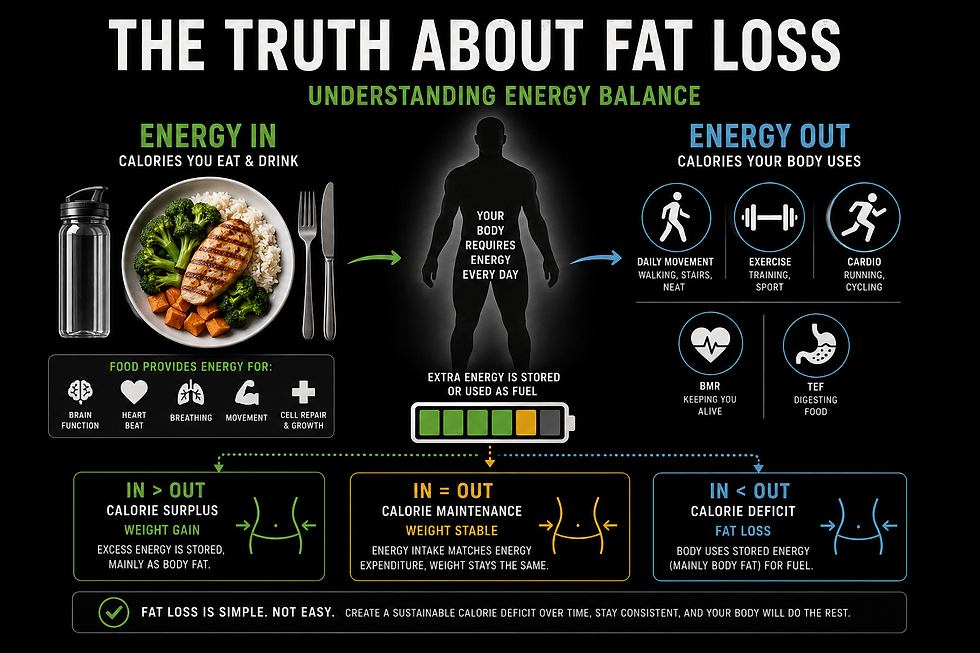
For a deeper understanding of energy balance, read our article The Truth About Fat Loss: Understanding Energy Balance.
Can I eat carbohydrates and still lose body fat?
Absolutely.
Carbohydrates do not cause body fat gain on their own. Wholefood carbohydrate sources such as potatoes, rice, oats, fruit and wholegrain bread provide valuable energy, fibre and nutrients.
Body fat increases when we consistently consume more energy than our body requires, regardless of whether those calories come from carbohydrates, fats or protein.
The key is choosing quality carbohydrate sources and eating appropriate portions for your activity level and goals.
Are these recipes suitable for people with Type 2 diabetes?
In most cases, yes.
These recipes have been designed around lean protein, vegetables, fibre-rich ingredients and minimally processed carbohydrate sources, all of which can support healthier blood glucose management.
However, everyone with diabetes is different. Always follow the advice of your GP, Accredited Practising Dietitian or Diabetes Educator regarding medication, carbohydrate intake and meal timing.
Can I use these recipes if I want to build muscle?
Definitely.
The same foods that support fat loss also support muscle growth.
If your goal is to build muscle, simply increase your overall food intake, particularly your protein and carbohydrate portions, to match your training demands while continuing to build your meals around the TTG Plate Method.
How much protein should I eat each day?
Protein requirements vary depending on your age, body size, activity level and goals.
A good starting point is to include a quality source of protein with every main meal.
If your goal is to lose body fat while maintaining muscle, or to build muscle through resistance training, your requirements are likely to be higher than those of someone less active.
For a complete guide, read our article How Much Protein Do You Really Need?
Can children eat these meals?
Yes.
These recipes are family-friendly and suitable for most healthy children.
Rather than cooking separate meals, simply adjust portion sizes based on each family member's age, appetite and activity level.
Healthy eating should bring families together—not create extra work in the kitchen.
Can I prepare these meals in advance?
Absolutely.
Many of the recipes in this guide are perfect for meal preparation.
Cooking larger portions for dinner often provides an easy, nutritious lunch for the following day, saving both time and money while reducing the temptation to rely on takeaway meals.
Can these meals be frozen?
Many of them freeze exceptionally well.
Recipes such as chilli, curries, casseroles, soups, pasta sauces and slow-cooked meals are ideal for batch cooking and freezing.
Preparing healthy meals in advance is one of the easiest ways to stay consistent during busy weeks.
Are frozen vegetables healthy?
Yes.
Frozen vegetables are picked and frozen shortly after harvest, helping preserve many of their nutrients.
They're often just as nutritious as fresh vegetables while being more affordable, reducing food waste and making healthy eating more convenient.
Are healthy fats still important if I'm trying to lose weight?
Yes.
Healthy fats play an important role in hormone production, nutrient absorption and overall health.
Foods such as avocado, olive oil, nuts and seeds can absolutely be included in a fat loss diet.
The key is remembering that healthy fats are also energy-dense, so portion size still matters.
Is it okay to eat the same meals every week?
Absolutely.
In fact, many successful people do exactly that.
Having a small collection of breakfasts, lunches and dinners that you genuinely enjoy removes decision fatigue and makes healthy eating much easier to maintain.
Consistency is far more important than constantly chasing variety.
Do I have to give up takeaway food?
Not at all.
Healthy eating isn't about perfection.
Enjoying takeaway occasionally is part of a balanced lifestyle.
The goal is simply to ensure that most of your meals are built around nutritious, wholefood ingredients.
When you do eat out, look for opportunities to include lean protein, vegetables and appropriate portion sizes where practical.
What should I drink?
Water should be your primary drink throughout the day.
Other good options include:
Sparkling water
Tea
Coffee (without excessive milk or sugar)
Milk
Zero-sugar soft drinks in moderation
Sugar-sweetened drinks can contribute a large number of calories without helping you feel full, making them one of the easiest areas to improve if your goal is fat loss.
What if I don't like vegetables?
You're certainly not alone.
Start with the vegetables you do enjoy and gradually expand your variety over time.
Experiment with different cooking methods such as roasting, grilling or stir-frying, and use herbs, spices and seasonings to improve flavour.
Remember, you don't need to love every vegetable; you simply need to find enough that you enjoy eating regularly.
I don't have time to cook every night. What should I do?
Focus on preparation rather than perfection.
Batch cooking, using leftovers for lunch, keeping frozen vegetables on hand and preparing simple meals that use everyday ingredients can dramatically reduce the time you spend in the kitchen.
Healthy eating doesn't require hours of cooking; it requires a little planning.
What's more important: exercise or nutrition?
Both play an important role, but if your primary goal is body fat loss, nutrition generally has the greater influence.
Exercise helps build and preserve muscle, improve cardiovascular fitness, increase energy expenditure and support long-term health.
Nutrition determines whether you're consistently providing your body with the energy and nutrients it needs to achieve your goals.
The most successful results come from combining both.
Where should I start if all of this feels overwhelming?
Start small.
Choose one or two breakfasts.
Choose one or two lunches.
Pick a handful of dinners your family enjoys.
Repeat them consistently.
You don't need to overhaul your entire diet overnight.
Small improvements repeated consistently will always outperform drastic changes that only last a few weeks.
What if I want personalised nutrition advice?
Every person has different goals, medical history, food preferences and lifestyle demands.
While the recipes in this guide provide an excellent foundation, sometimes the fastest progress comes from having a plan tailored specifically to you.
At The Training Ground, we help people improve body composition, build strength, increase energy and develop sustainable nutrition habits through evidence-based coaching, not restrictive diets.
If you'd like guidance that's built around your individual goals, we'd love to help.

Comments